

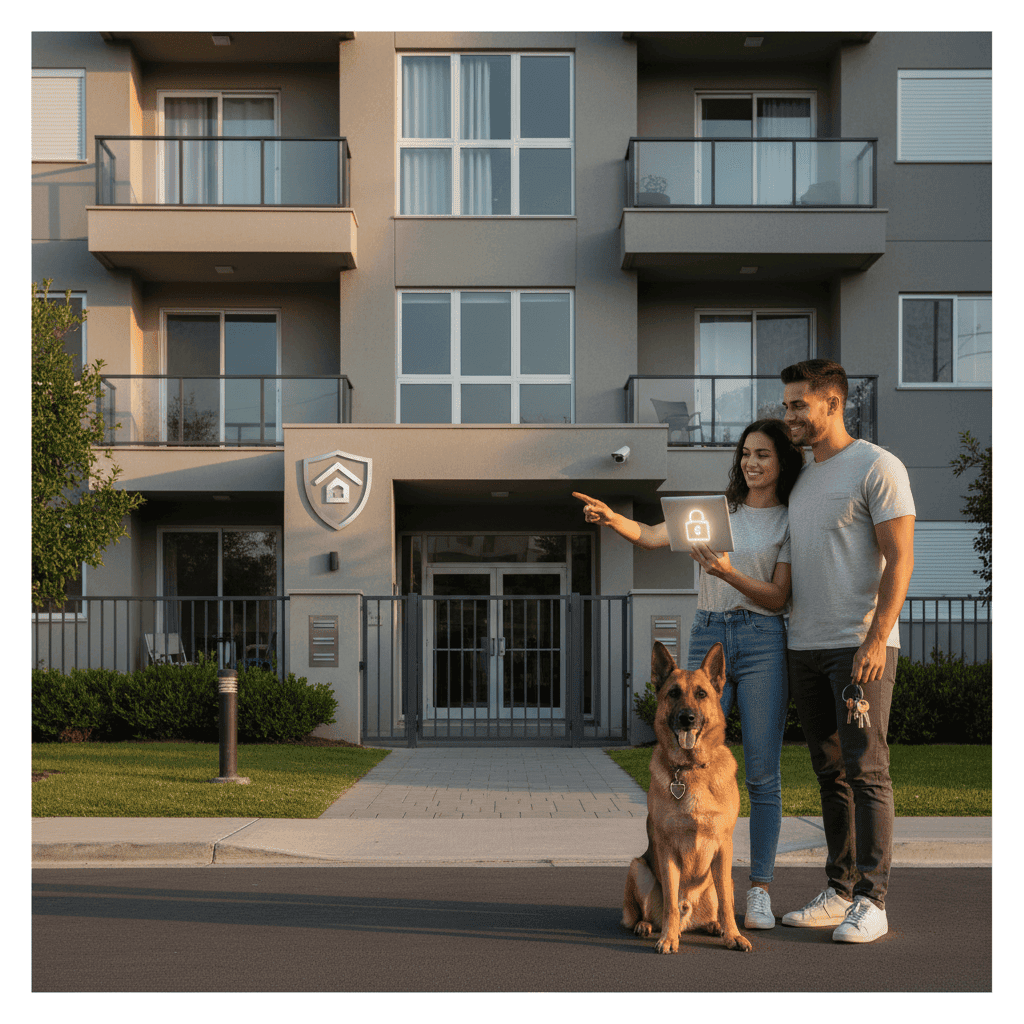
When you rent a place you want one that keeps you and your belongings safe. Choosing the right rental property is not only about price and location. It is about practical checks you can do before you sign and simple habits that reduce risk after you move in.
This article walks through clear steps to protect your home when you choose rental properties. You will get concrete tips for evaluating neighborhoods, inspecting security features, reviewing leases, and using everyday habits and tools that increase safety.
Protect Your Home Choosing Secure Rental Properties with a Neighborhood Review
Start with the surrounding area when you look for a place. A building with strong locks and cameras can still feel unsafe if there is frequent crime nearby. Spend time observing the street at different times and use public sources of data to form a fuller picture.
- Visit the neighborhood during daylight and at night to note lighting and pedestrian traffic
- Check local police reports online for recent incidents in the block or the few blocks around the property
- Talk to nearby shopkeepers and residents about trends they have seen in the past year
Small signs matter. Broken streetlights, open access stairwells, or hidden entry points can be red flags. Conversely, active storefronts, visible security patrols, and well kept sidewalks point to more regular oversight.
Inspect the Building and Unit for Security Features
A secure rental has visible and working security basics. When you tour a property use a checklist to verify hardware and systems that protect the building and the unit itself.
Exterior checks
- Entry points at ground level should have deadbolt locks and solid frames
- Look for well lit entrances and pathways
- Gates and perimeter fencing should be intact and functional
- Mailboxes positioned inside a secure lobby are better than curbside boxes in many neighborhoods
Interior checks
- Confirm windows close properly and have working locks
- Check for peepholes on doors and secondary locks for sliding doors
- Ask about building access controls such as key fobs or coded entry pads
- Test smoke and carbon monoxide detectors while on site
If a property manager resists allowing basic checks or seems vague about recent maintenance work you should view that as a concern. A landlord who keeps the building secure will be upfront about measures taken and recent repairs.
Screen Landlords and Property Management for Safety Practices
The party that manages a property has a significant effect on how safe the rental remains over time. Good management handles maintenance and follows clear procedures when security issues arise.
- Ask how the landlord screens tenants and whether they perform background checks
- Inquire about response times for security related repairs
- Request a copy of any building safety policies such as visitor rules or camera use
Find reviews from current or past tenants. Search online platforms and social media for mentions of unresolved safety issues. A pattern of slow responses to broken locks or lighting is an indicator of longer term problems.
Understand Lease Terms that Protect Your Home
Signing a lease is a major step toward protecting your home. The lease should clearly spell out responsibilities for safety related items so you know what the landlord will handle and what you must maintain.
- Look for language about who replaces broken locks and who pays for key changes after a move in
- Check policies on installing additional security devices such as deadbolts or security bars
- Review clauses that address entry by the landlord and the notice required before entry
Ask for written confirmation of any verbal promises. If a manager says they will install a new lock or light by move in get that promise added to the lease to avoid confusion later.
Use Technology and Daily Habits to Increase Personal Safety
After you move in you can create multiple small layers of protection. Technological tools combined with repeatable habits make it harder for unwanted incidents to occur.
Essential devices to consider
- Replace or add a deadbolt when allowed by your lease
- Use a door reinforcement plate for doors with weak frames
- Place interior timers on lights to make the apartment look occupied when you are away
Daily routines that matter
- Keep entryways clear of packages and ask for delivery instructions that reduce theft risk
- Lock windows when you leave and use secondary locks at night
- Share emergency contacts with trusted neighbors and exchange simple check in messages if you will be gone for a while
Make a habit of documenting serial numbers for electronics and keeping a small inventory of valuables. That paperwork will help you if you ever need to file a claim or report an incident.
Know Your Rights and Local Resources for Safer Living
Local ordinances and tenant laws can help protect you. Learn the rules that apply where you live so you can hold a landlord accountable for basic safety repairs and building upkeep.
- Find the municipal code that addresses landlord obligations for locks lighting and smoke detectors
- Locate tenant advocacy groups in your city that help residents with safety complaints
- Use local non emergency police lines to report recurring issues that property owners have not fixed
Many cities have free checklists and printable resources that list safety items to verify at a rental. Make use of those documents when you plan viewings and when you move in.
Practical Examples from Real Renters
Real examples show how small steps can prevent larger problems. A renter in a mid rise building reported packages gone from the vestibule. After asking the manager to move deliveries inside the locked lobby they also installed a timed light near the mail area. Package theft stopped and the manager agreed to post a notice about secure delivery options for residents.
Another renter found a weak deadbolt during a viewing and asked the landlord to replace it before signing. The landlord agreed and added the replacement in writing. That simple check prevented an insecure lock being left in place and gave the tenant confidence in the landlord handling safety items promptly.
For a printable checklist to bring to viewings and a step by step list of actions to take if you find safety problems at a new rental you can get the guide that covers these topics in easy to use format.
Common Pitfalls and What to Avoid
Certain assumptions lead renters into trouble. Avoid relying solely on appearance or a single visit. A nice lobby does not replace broken exterior lighting and a friendly landlord does not replace a poorly maintained lock system.
- Do not skip a nighttime visit when you plan to live in a place for a long time
- Avoid moving in without confirming who is responsible for exterior lighting repairs
- Do not ignore small warning signs like repeated late night loitering near an entrance
Taking these precautions helps you turn a rental decision into a long term, safe living choice.
Conclusion
Protecting your home when you choose rental properties takes attention to detail and a few routine checks that pay off. Start with the neighborhood, inspect the building and unit, verify landlord practices, and review lease language that covers security responsibilities. After you move in adopt simple habits and use affordable devices to add layers of protection.
Every step you take reduces the chance of an incident and gives you more control over your living environment. Use the checklists and examples in this article to form your own plan when touring rentals. If you want a quick reference you can print and take with you there is a ready made checklist you can use to compare properties and keep notes during showings. Take action now and make safety a part of your rental search process so you move into a place that feels secure from day one.